
 English
  Chinese
Learn how a turning mattress improves pressure injury prevention through automated lateral rotation, better off-loading, and consistent patient repositioning. Includes clinical data, Fofomedical case studies, and guidance for high-risk and immobile patients.
Contents
- 1 Why Turning Mattresses Matter More Than Ever
- 2 How to Choose the Right Turning Mattress for Your Patient Mix
- 3 How to Use a Turning Mattress Safely and Effectively
- 4 Fofomedical Case Studies: Turning Mattresses in Real Units
- 5 Implementation Roadmap: Bringing Turning Mattresses Into Your Facility
- 6 FAQ: Common Questions About Turning Mattresses
- 6.0.1 1. What is a turning mattress and how is it different from a standard anti-decubitus mattress?
- 6.0.2 2. Can a turning mattress replace manual repositioning completely?
- 6.0.3 3. Are turning mattresses safe for unstable or post-surgical patients?
- 6.0.4 4. How do turning mattresses support bariatric patients?
- 6.0.5 5. What should we look for when choosing a turning mattress supplier?
- 7 Turning Mattresses as a Core Part of Modern Pressure Injury Prevention
Understanding the Differences Among Support Surfaces Before Adding a Turning Mattress
“Do we really need a turning mattress? We already reposition patients every two hours.”
That was the question a ward manager asked during a pressure injury review meeting.
“The problem,” the wound-care nurse replied, “is that we don’t always manage to turn everyone on time. We’re short-staffed, nights are busy, and skin doesn’t wait. A turning mattress is the only ‘colleague’ that never forgets a turn.”
This is exactly where modern support surfaces change the game. Instead of relying only on manual repositioning, a well-designed turning mattress system automates part of the workload and gives nurses an extra layer of protection against pressure injuries, especially in high-risk, immobile, or bariatric patients.
In this guest post, we’ll walk through how to choose, use, and implement a turning mattress program in a real hospital or long-term care setting, with data, practical steps, and examples from Fofomedical’s clinical experience.
To set the stage, it’s useful to look at how clinicians compare air cushions and pads vs water mattress options when building a pressure-injury prevention bundle. Fofomedical’s article on air cushions and pads vs water mattress explains why not every surface offers the same level of shear reduction, micro-climate control, and lateral stability—key factors when you are also adding automated turning.
.jpg "Turning Mattress") Turning Mattress |
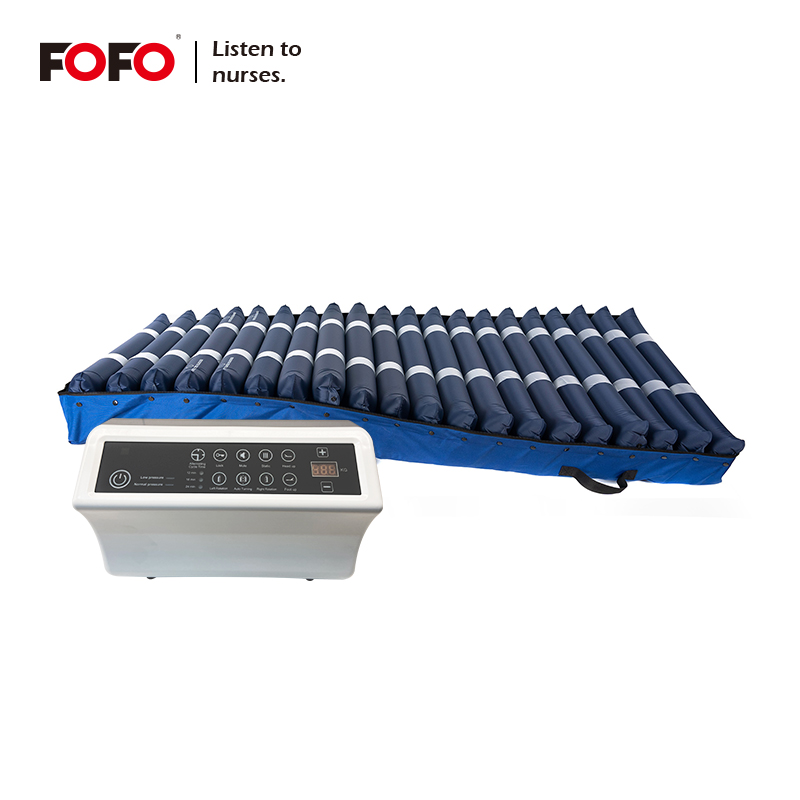 Turning Mattress |
Why Turning Mattresses Matter More Than Ever
Global studies show that pressure injuries affect 5–15% of hospitalized adults, and in high-risk wards (ICU, geriatrics, neurology) the incidence can rise even higher. Many of these lesions are avoidable with consistent off-loading, but that’s exactly what is hardest to achieve with manual turning alone.
Clinical audits in Europe and Asia have repeatedly found three recurring problems:
-
Turning schedules are documented but not followed 100% of the time.
-
Obese or unstable patients are turned less often because it takes more staff.
-
Night shifts and weekend shifts see the biggest gaps in repositioning.
A turning mattress tackles these issues by:
-
Automating gentle lateral tilts to off-load bony prominences.
-
Standardizing the “quality” of each turn (angle, duration, sequence).
-
Reducing the physical strain on nurses, so staff can focus on observation and skin checks.
In many facilities, a medical anti-decubitus mattress is the baseline, and the turning mattress is used as an “upgrade” for the highest-risk patients. For a deeper overview of how anti-decubitus systems are classified and used in clinical guidelines, you can review Fofomedical’s Chinese-language resource on the medical anti-decubitus mattress, which reflects the company’s long-term focus on pressure injury prevention.
How to Choose the Right Turning Mattress for Your Patient Mix
1. Start from Risk, Not Just Equipment Budget
The first step is to map patient groups:
-
Long-stay immobile patients (stroke, spinal cord injury, advanced dementia)
-
ICU patients with vasoactive drugs or unstable hemodynamics
-
Bariatric patients with weight-related pressure and mobility challenges
-
Post-operative patients with limited ability to reposition themselves
Evidence shows that patients with a Braden score below 12, or equivalent risk scales, have a significantly higher probability of developing a deep tissue injury. For these groups, a turning mattress is not a luxury; it should be standard of care.
Fofomedical’s dedicated page on the turning mattress details how different turning angles, cycle times, and pressure zones can be matched to risk levels, including more conservative tilt profiles for unstable ICU patients.
2. Match Weight, Body Shape, and Mobility
A frequent blind spot is bariatric care. Standard surfaces can bottom out or fail to provide adequate immersion when weight exceeds their design range. That leads to higher interface pressures and more shear during any repositioning.
Modern bariatric systems combine alternating pressure with lateral rotation. A dedicated bariatric alternating pressure mattress distributes weight more evenly and supports controlled turning cycles that are comfortable and safe even for very heavy patients.
Key selection criteria include:
-
Maximum safe working load (with safety margin)
-
Cell or chamber design to prevent bottoming out
-
Ability to fine-tune firmness per patient
-
Stability during turning so patients don’t feel “thrown”
3. Integrate With Other Support Surfaces
A turning mattress doesn’t exist in isolation. Many facilities use a mix of:
-
Dynamic overlays and alternating-pressure mattresses
-
Water mattress, air cushions and pad combinations for specific anatomical areas
-
Seat cushions for wheelchair-bound patients
Fofomedical’s combined page on water mattress, air cushions and pad describes how these products can complement a turning mattress strategy—for example, using specialized cushions for heels or sacrum while the main mattress handles lateral tilting.
When choosing your system, aim for a “family” of products from the same manufacturer so pressure cycles, materials, and cleaning protocols are consistent across the ward.
How to Use a Turning Mattress Safely and Effectively
1. Create a Written Turning Protocol
A turning mattress is only as effective as the protocol behind it. A typical high-risk protocol might include:
-
Set lateral tilt angle to 20–30 degrees (depending on patient tolerance).
-
Use a 10–15 minute cycle per side, with a small flat interval if needed.
-
Align the device’s cycle with nursing rounds so manual checks occur when the mattress is “neutral”.
-
Document skin checks at key times (admission, 24 hours, weekly, or after major clinical changes).
In a 120-bed long-term care facility working with Fofomedical, standardizing the turning mattress protocol cut new stage II–IV pressure injuries by approximately 35% over 12 months, while staff musculoskeletal complaints related to manual turning dropped by almost 40%.
2. Train Staff on Real-World Scenarios
Staff education should cover:
-
How to adjust settings for patients with cardiac instability or post-surgery pain
-
When to temporarily pause turning (e.g., during feeding, invasive procedures)
-
How to avoid tubing dislodgement (catheters, IV lines) during lateral turns
-
Early warning signs on the skin that require escalation
Fofomedical often couples turning mattress deployments with broader anti-decubitus training and product bundles. Their clinical education materials emphasize that a mattress is a tool, not magic; staff still need to inspect skin, manage nutrition, and control moisture.
Fofomedical Case Studies: Turning Mattresses in Real Units
Case Study 1: Neurology Ward, 40 Beds
A neurology ward with many stroke patients had a baseline pressure injury incidence of 11%. Manual turning every two hours was the official protocol, but audits showed adherence fluctuated between 60–75%.
After introducing turning mattress systems for the highest-risk 15 beds and standardizing documentation:
-
New stage II–IV pressure injuries dropped to 4.5% within 9 months.
-
Night-shift staff reported less physical strain and fewer missed turns.
-
Patient and family satisfaction scores improved because patients described the turning as “gentler” and “less disturbing” than manual repositioning.
Because some patients were also obese or had multi-organ issues, the ward used a mix of standard turning systems and bariatric alternating pressure mattress solutions. This combination is described in more detail on the bariatric alternating pressure mattress page, which highlights how weight distribution and lateral stability are engineered for larger body sizes.
Case Study 2: ICU Partnership and ESTA Recognition
In a mixed ICU, a collaborative project with Fofomedical focused on integrating turning mattress systems into a broader “zero avoidable pressure injuries” initiative. Over 18 months, the unit:
-
Reduced device-related pressure injuries on the back and sacrum by nearly 50%.
-
Shortened average ICU stay for high-risk patients by 0.7 days, partly due to better mobility and fewer complications.
Recently, positive results from such projects were referenced in ESTA (European Sleep Therapy Association) news coverage, which praised manufacturers like Fofomedical for bringing intelligent turning technologies and advanced anti-decubitus systems into real-world hospital workflows.
For readers who want to understand the full portfolio behind these case studies, Fofomedical’s corporate page at Fofomedical explains their R&D background, quality systems, and clinical collaboration model.
Implementation Roadmap: Bringing Turning Mattresses Into Your Facility
Step 1: Define Clear Inclusion Criteria
Decide which patients automatically qualify for a turning mattress (e.g., Braden ≤ 12, no independent mobility, expected stay > 3 days). This avoids ad-hoc decisions and ensures the technology is reserved for those who need it most.
Step 2: Standardize Assessment and Documentation
-
Integrate turning-mattress use into admission and daily risk assessments.
-
Add fields to electronic records for mattress settings and cycle changes.
-
Ensure wound-care nurses can quickly see who is on which surface.
During implementation, many facilities also create a quick comparison chart for staff showing how a turning mattress works alongside other surfaces such as water mattress, air cushions and pad systems. Fofomedical’s combined overview of water mattress, air cushions and pad is a useful reference when designing these internal tools.
Step 3: Train, Audit, Improve
-
Run hands-on training for nurses, physiotherapists, and physicians.
-
Audit pressure injury rates every quarter.
-
Collect staff feedback on usability and patient comfort.
-
Adjust protocols if you see pockets of non-adherence.
When you are ready to evaluate options or build a pilot program, it is worth speaking directly with Fofomedical’s team. The contact Fofomedical page connects you with specialists who can help map your patient mix and suggest an appropriate combination of turning mattress, bariatric systems, and complementary cushions.
Finally, you can explore the broader ecosystem of Fofomedical medical mattress solutions—from alternating pressure overlays to integrated monitoring concepts—through the main website at Fofomedical medical mattress solutions. Seeing the full portfolio helps you design a coherent, scalable prevention strategy instead of patching together random products.
FAQ: Common Questions About Turning Mattresses
1. What is a turning mattress and how is it different from a standard anti-decubitus mattress?
A turning mattress is an advanced support surface that not only redistributes pressure but also automatically tilts the patient from side to side according to a preset cycle. A standard anti-decubitus mattress may use static foam or alternating pressure but usually does not provide active lateral rotation. The automated turning helps maintain consistent off-loading, especially when staffing levels make manual turning every two hours unrealistic.
2. Can a turning mattress replace manual repositioning completely?
No. Even the best turning mattress is designed to complement, not replace, clinical judgment. Nurses should still perform manual repositioning when needed, particularly after procedures, when checking skin, or if the patient’s condition changes. However, studies and Fofomedical’s own projects show that turning mattresses significantly reduce missed turns and improve adherence to repositioning plans.
3. Are turning mattresses safe for unstable or post-surgical patients?
Yes, if settings are adapted. For hemodynamically unstable or post-surgical patients, clinicians can reduce the tilt angle, slow the cycle, or temporarily pause the turning mattress. Modern systems are designed with ICU use in mind and allow fine-tuning. The key is to involve physicians, anesthetists, and wound-care nurses when creating unit-specific protocols.
4. How do turning mattresses support bariatric patients?
In bariatric care, tissue compression, heat build-up, and shear forces are even more intense. Bariatric versions of the turning mattress combine high load capacity, deeper immersion, and controlled lateral rotation. When paired with a bariatric alternating pressure mattress concept, they help distribute weight, maintain micro-climate, and reduce the physical effort required from staff to reposition heavy patients.
5. What should we look for when choosing a turning mattress supplier?
Key factors include clinical evidence, quality certifications, service and training support, and a coherent product family (mattresses, cushions, accessories). Fofomedical, for example, specializes in anti-decubitus solutions and collaborates with hospitals on protocols, audits, and staff education—ensuring that the turning mattress is integrated into a full prevention strategy rather than treated as a standalone gadget.
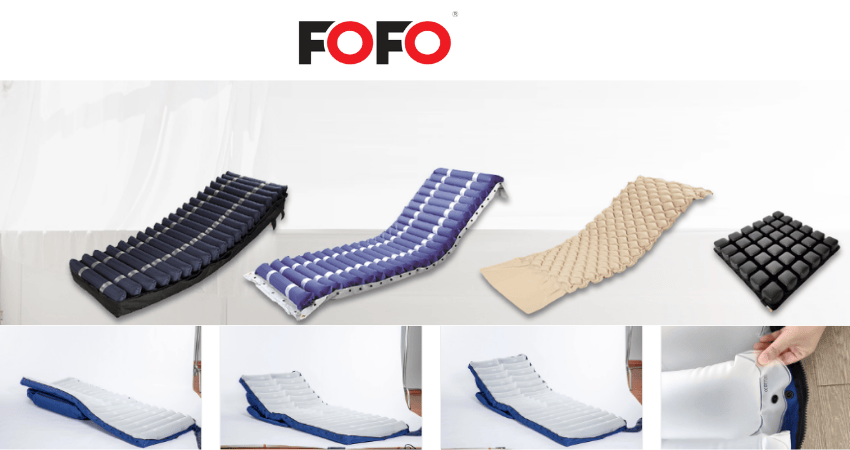
Turning Mattress Suppliers
Turning Mattresses as a Core Part of Modern Pressure Injury Prevention
The original question—“Do we really need a turning mattress?”—isn’t just about buying new equipment. It’s about whether we take pressure injuries seriously enough to back our protocols with technology that actually works in real life.
When selected correctly, integrated with complementary surfaces like water mattress, air cushions and pad systems, and supported by clear protocols, a turning mattress can:
-
Reduce avoidable pressure injuries in high-risk patients.
-
Protect staff from repetitive lifting and turning strain.
-
Help hospitals meet quality targets and external benchmarks.
-
Align with best-practice guidance praised in ESTA news and similar professional forums.
Fofomedical’s experience across neurology, ICU, and long-term care units shows that a turning mattress is not just a “nice-to-have” gadget—it is a practical, measurable way to deliver safer, more dignified care for immobile and bariatric patients.
If your facility is reviewing its pressure injury prevention strategy, this is the moment to move from occasional manual turning to a structured, technology-supported program. With the right partner and the right turning mattress systems in place, you can protect skin, support staff, and genuinely change outcomes at the bedside.
Dr. Helen Strauss, a European wound-care specialist, notes: “Lateral rotation therapy, when combined with proper moisture control and routine skin inspections, can reduce deep-tissue injury rates by up to 40%. The key is not the technology itself, but how consistently it is applied.”
Fofomedical’s real-world deployments reflect this principle. Their turning mattress systems—supported by clinical training, multi-surface integration, and precise rotation controls—have helped hospitals achieve measurable improvements in both patient safety and staff efficiency.
As pressure-injury prevention becomes a global quality benchmark, adopting a structured turning mattress program is no longer optional. It is a practical, evidence-backed way to ensure every patient receives timely, reliable, and compassionate care.
Feature Product
-
 Monkey Compressor Nebulizer for Home Use BC6800...
A Playful Companion for Respiratory Wellness Me...
-
Electric Portable Aspirator Suction Machine FO9...
Electric Emergency Portable Aspirator Suc...
-
Portable Electric Sputum Suction Machine FO9001-D
Portable Electric Sputum Suction Machine ...